
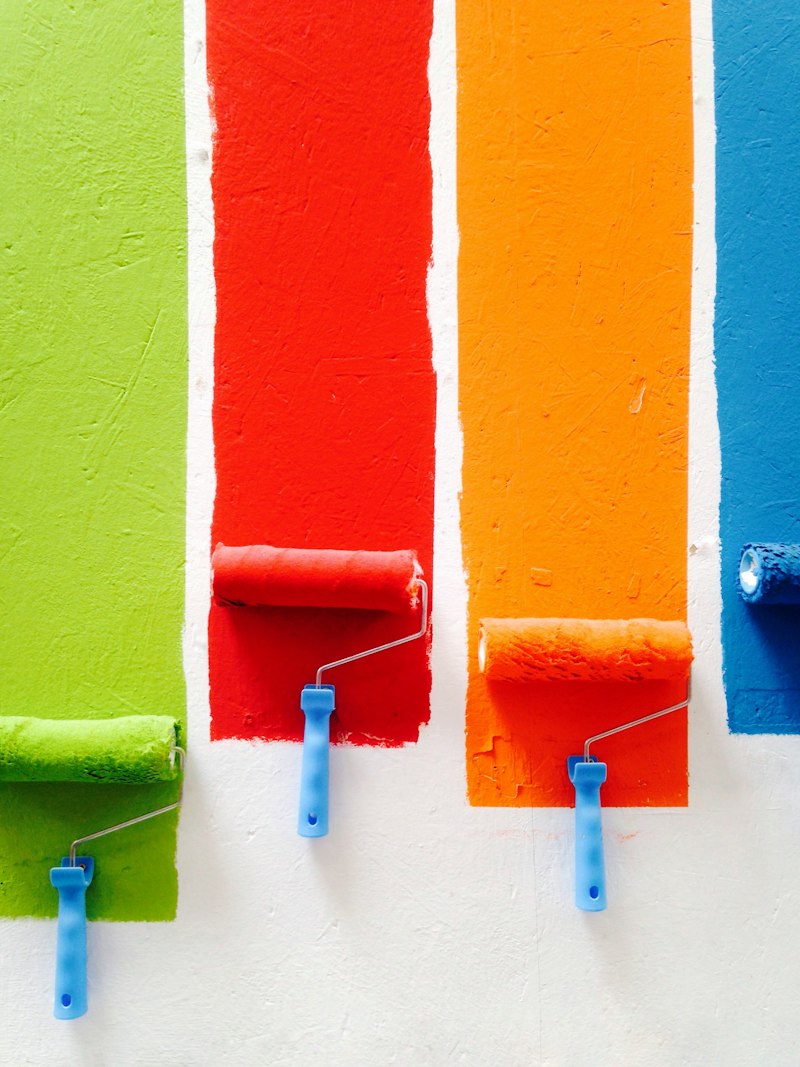
Color is one of the most powerful tools in a brand strategist's toolkit, yet it is also one of the most misunderstood. Popular articles claim that blue builds trust and red creates urgency, but the reality of color psychology in branding is far more nuanced than these oversimplified associations suggest.
At Jafen Media, our approach to color in branding is rooted in research, competitive analysis, and testing rather than generic color charts. The right color palette for your brand depends on your industry context, competitive landscape, target audience, and the specific emotional territory you want to own.
Why Color Matters More Than You Think
Research suggests that people make subconscious judgments about a product within 90 seconds of initial viewing, and up to 90% of that assessment is based on color alone. Color increases brand recognition significantly, and consistent color usage across all touchpoints strengthens the association between your visual identity and your brand promise.
But here is the critical nuance: color does not carry universal meaning. The impact of a color depends entirely on context. Blue can feel trustworthy for a bank, clinical for a hospital, or cold for a children's toy brand. The same color communicates different things depending on the surrounding design, typography, imagery, and cultural context of the audience.
Building a Strategic Color Framework
Start with your brand personality: define 3-5 adjectives that describe how you want your brand to be perceived - Conduct a competitive audit: map the primary and secondary colors of every direct competitor - Identify the color gap: find the chromatic territory that is underrepresented in your competitive landscape - Consider cultural context: research how your target audience's cultural background influences color perception - Test with real users: validate your color choices with preference testing before committing
The Competitive Differentiation Opportunity
One of the most overlooked aspects of brand color strategy is competitive differentiation. If every competitor in your space uses blue (as is common in finance, technology, and healthcare), choosing blue means blending in. The brands that stand out are often those that deliberately choose a distinctive color that creates visual separation in their market.
“Choosing a brand color based on a generic color psychology chart is like choosing a name based on a baby name book's personality descriptions. The context of your specific market, audience, and competitors matters infinitely more than abstract color associations. - Jafen Media Brand Strategist
Color and Conversion: What the Data Shows
The relationship between color and conversion rates is real but frequently misrepresented. Studies consistently show that the color of a CTA button matters, but the winning color is not universally red or orange. What matters is contrast against the surrounding page and visual hierarchy that draws the eye to the action you want users to take.
In our A/B testing across client projects, the highest-performing CTA colors are consistently those that create the strongest contrast with the page's dominant color scheme. A green button on a predominantly blue page may outperform a red button because of contrast, not because of any inherent psychological property of green.
Accessibility and Inclusive Color Design
Approximately 8% of men and 0.5% of women have some form of color vision deficiency. Accessible color design is not just an ethical obligation but a business imperative. Ensure sufficient contrast ratios (4.5:1 minimum for normal text per WCAG standards), never rely on color alone to convey information, and test your palette with color blindness simulators.
Building Your Brand Color System
A comprehensive brand color system goes beyond a primary and secondary color. Define a full palette that includes primary brand color, secondary accent colors, neutral palette for text and backgrounds, semantic colors for success, warning, and error states, and extended palette for data visualization and illustrations.
Document usage guidelines that specify when and how each color should be used. Define minimum and maximum proportions for primary and secondary colors. Create dark mode variants that maintain brand recognition while ensuring readability. Test every color combination for accessibility compliance before finalizing your system.
Frequently Asked Questions
Quick answers to common questions
Start with competitive analysis rather than color psychology charts. Map the colors used by every competitor in your space, identify underrepresented chromatic territory, then narrow options based on your brand personality attributes. Test your top 2-3 candidates with members of your target audience through preference testing. The right color differentiates you while authentically representing your brand values.
Yes, but not in the simplistic way often claimed. The impact comes from contrast and visual hierarchy rather than the inherent psychological properties of specific colors. A CTA button that contrasts strongly with its surroundings draws attention and increases clicks regardless of its specific hue. Always A/B test color changes with your specific audience and page design.
A typical brand color system includes 1 primary color, 1-2 secondary or accent colors, a neutral palette with 5-7 shades for text and backgrounds, and semantic colors for UI states. This totals roughly 15-20 color values when you include tints and shades. The key is restraint in primary usage and variety in supporting tones.
Global brands should be aware of cultural color associations that differ from Western norms. White symbolizes mourning in some East Asian cultures, while red signifies luck and prosperity in China. However, in the digital age, global brand consistency usually outweighs cultural adaptation for colors. The better approach is to keep your primary brand color consistent and adjust secondary elements and imagery for cultural relevance.
Ready to Build Something Great?
Let's discuss how we can help you achieve your digital goals with a free consultation.